From Veterinary Surgeon to Veterinary Strength and Resilience Consultant
Posted on: 23 July 2026 in Community
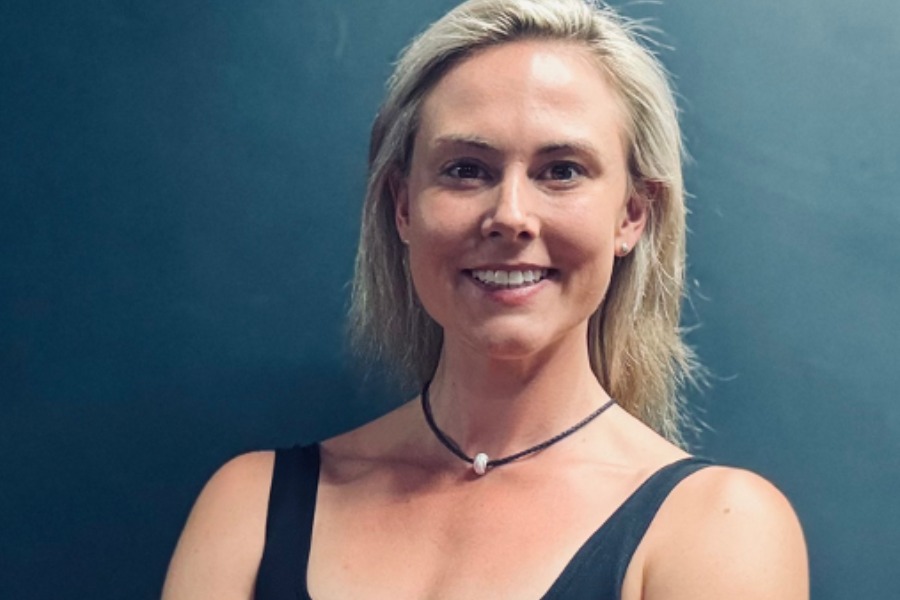
We spoke to Charlotte Rutter (BVSc 2020) about what she has learned from her own experience with burnout, and how she is now using her experience to help other veterinary professionals.
Content notice: This article features discussion on mental health.
What inspired you to pursue a veterinary degree?
Growing up, I was surrounded by animals and my love for helping those around me developed from a young age. I was drawn to a career that combined problem-solving, practical skills, and the opportunity to make a meaningful difference. Veterinary medicine offers the perfect blend of all three. Additionally, the work variety was very attractive. No two days are ever the same, and I loved the idea of working in a profession that would continually challenge me both intellectually and personally.
What are your memories from Liverpool Vet School? What were the highlights and perhaps some things you found difficult?
Liverpool Vet School was an incredible university experience. One of the biggest highlights was the hands-on nature of the course with clinical skills and dissections. I particularly enjoyed final year rotations where we were able to put our clinical knowledge and practical skills into practice. Like many students, I found the workload challenging at times. Veterinary medicine attracts high-achieving individuals, and there can be a lot of pressure to perform. Learning how to balance academic expectations with personal wellbeing was something I found difficult during my studies, but it’s a lesson that became even more important later in my career.
Did anyone at Liverpool Vet School inspire you when you were a student?
I was fortunate to learn from many inspiring clinicians and lecturers who were passionate about their work. Those individuals showed me that success in veterinary medicine isn’t just about clinical knowledge; it’s also about communication, leadership, and the ability to support others.
What were your three years in practice like? How did you know that you had reached burnout, and what contributed to it?
My first few years in practice were incredibly rewarding but also very demanding. I worked initially in small animal practice before moving into equine ambulatory. I loved many aspects of the job, particularly the challenge, the responsibility, and the relationships built with clients and colleagues. Over time, however, I began experiencing the classic signs of burnout. I was physically exhausted, emotionally drained, and found myself constantly operating in “survival mode.” I struggled to switch off outside work and felt increasingly disconnected from the parts of life that had previously brought me joy. For me, burnout wasn’t caused by a single event. It was the accumulation of long hours, emotional demands, perfectionism, people-pleasing tendencies, and neglecting my own recovery for an extended period.
How did you recover from burnout? Was there anything or anyone that particularly helped you?
Recovery wasn’t a quick process. One of the biggest lessons I learned was that burnout isn’t solved by simply taking time off. Recovery required me to rebuild my physical and mental capacity over time. Exercise played a huge role in my recovery, particularly strength training and spending time outdoors. Equally important were sleep, nutrition, supportive relationships, and learning to set healthier boundaries. I was fortunate to have family, friends and colleagues who encouraged me to prioritise my wellbeing. Their support helped me realise that asking for help isn’t a sign of weakness but often the first step towards recovery.
Was it difficult to decide to step away from clinical practice? How did you know this was the right decision for you?
Yes, it was incredibly difficult. For many veterinary professionals, our identity becomes closely tied to our profession. Stepping away felt like letting go of something I had worked towards for many years. Ultimately, I realised that leaving clinical practice didn’t mean I had failed as a vet. Instead, it gave me the opportunity to use my skills and experiences in a different way. Once I reframed the decision as moving towards something rather than running away from something, it became much easier.
What did you do after stepping away from clinical practice? Did your veterinary degree and the skills you gained in practice come in useful?
Absolutely! After leaving clinical practice, I moved into the fitness and wellbeing space. I now work as a Veterinary Strength and Resilience Consultant, helping veterinary professionals build strength, improve wellbeing, and develop the resilience needed to thrive both personally and professionally. My veterinary background has been invaluable. Veterinary medicine teaches critical thinking, communication, problem-solving, leadership, and the ability to remain calm under pressure. These are highly transferable skills that continue to shape the way I coach and support people today. While the setting has changed, the purpose remains the same: helping others perform at their best and improve their quality of life. I still draw on many of the same communication, coaching, and behavioural-change skills every day in my work.
What made you decide that you wanted to help others who may be experiencing burnout? Can you tell us a bit about the online coaching programme you are developing?
My own experience of burnout made me realise how many veterinary professionals are struggling silently. The profession is full of compassionate, dedicated individuals who spend their careers looking after everyone else but often neglect their own wellbeing. I wanted to help change that. I have developed a Veterinary Strength and Resilience Programme that combines evidence-based wellbeing principles with practical strategies around sleep, nutrition, movement, stress management, confidence, boundaries, and sustainable performance. The goal isn’t simply to prevent burnout. It’s to help veterinary professionals build the physical and mental capacity needed to thrive both inside and outside practice.
How would you advise veterinary students or alumni to spot the symptoms of burnout in themselves? What signs should they look out for?
Burnout often develops gradually, which is why it can be difficult to recognise. Some common signs include:
- Constant fatigue that isn’t relieved by rest
- Feeling emotionally detached
- Reduced motivation and enjoyment
- Difficulty concentrating or making decisions
- Increased irritability
- Poor sleep
- Frequent illness
- Feeling overwhelmed by tasks that previously felt manageable
One of the biggest warning signs is when you stop doing the things that normally help you feel like yourself. If work is consuming all your physical and emotional energy, it’s worth paying attention.
Do you have any advice on how veterinary students and alumni can prevent burnout?
My advice would be to think about capacity before performance. Many of us focus on becoming more productive without first ensuring we have enough energy and resilience to sustain that productivity. Prioritise the fundamentals:
- Sleep
- Nutrition
- Regular movement
- Meaningful relationships
- Recovery time
- Boundaries
Burnout prevention is about creating a lifestyle that allows you to consistently recharge rather than constantly deplete yourself.
What can we do to help colleagues who may be struggling with burnout? What signs should we look out for?
Often the most powerful thing we can do is notice. Look out for changes in behaviour, mood, confidence, energy levels, or engagement. Someone who was previously enthusiastic may become withdrawn, irritable, or unusually quiet. Start by creating a safe space for conversation, ask how they are really doing deep down (often we are very good at masking). Sometimes people don’t need solutions immediately, but they need to feel seen, heard and supported.
What do you have planned next?
I am about to embark on an exciting new chapter in Australia, where I will be combining my passions for coaching, water sports, travel and wellbeing. I will continue to help others through my Veterinary Strength and Resilience Programme. I have been invited to speak at veterinary conferences on topics including burnout, resilience, and sustainable performance, which is something I feel incredibly passionate about. My long-term goal is to support veterinary professionals (individuals/practices etc.) around the world in building healthier, more sustainable careers while continuing to pursue my own love of adventure, travel, and lifelong learning.
How can alumni keep updated with what you are doing and find out more about your online coaching programme?
The easiest way is through LinkedIn and Instagram, where I regularly share content around veterinary wellbeing, resilience, fitness and sustainable performance. I am also developing resources, webinars, and coaching programmes specifically for veterinary professionals, so these platforms will be the best place to hear about future projects and opportunities.
LinkedIn: Charlotte Rutter BVSc MRCVS
Instagram: @charlly_lifts
A Message for Current Veterinary Students
If there’s one thing I would say to current veterinary students, it’s this: your career does not have to look exactly as you imagined it would when you first started vet school.
Many of us begin our studies with a very specific vision of what success looks like. We often feel pressure to follow a particular path or to have everything figured out from the start. Careers evolve, interests change, and life sometimes takes us in unexpected directions.
Veterinary medicine equips you with far more than clinical knowledge. It teaches critical thinking, communication, leadership, resilience, problem-solving, adaptability, and compassion. These are skills that are valuable in countless roles, both within and beyond clinical practice.
If you love practice and want to spend your career in a clinical role, that’s fantastic. If you discover that your path lies elsewhere, that’s great too. Stepping in a different direction does not mean you’ve failed; it simply means you’re using your skills in a way that aligns with your strengths, values and wellbeing.
Most importantly, remember that your own health matters. You cannot pour from an empty cup. Looking after yourself is not selfish - it is essential if you want to build a fulfilling and sustainable career!
Be open to opportunities, stay curious, ask for help when you need it, and trust that there is more than one way to have a successful career as a veterinary professional.
Any questions, please don’t hesitate to get in touch!
How can students or graduates access further support if they feel like they need it?
If you’re struggling, or simply feel that something isn’t quite right, scan the QR code below to complete a short wellbeing and performance questionnaire:
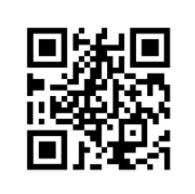
The questionnaire is designed to help you reflect on your current situation and identify areas that may be impacting your energy, resilience, confidence and overall capacity.
Once completed, I will personally review your responses and provide individual feedback, practical suggestions and guidance tailored to your circumstances.
Sometimes the hardest part is simply taking the first step and acknowledging that you may need support. This could be your answer to creating a more sustainable approach to work and life.
Thank you Charlotte for sharing your experience with burnout, and for all you are doing to increase awareness and understanding of this common issue within the veterinary profession.
If you would like to share a story with the ULVAA, please email us. We would love to hear from you!
Keywords: community.