From English Literature to Global Healthcare Leadership: Deborah Waterhouse
Posted on: 26 August 2026 by Deborah Waterhouse in Community
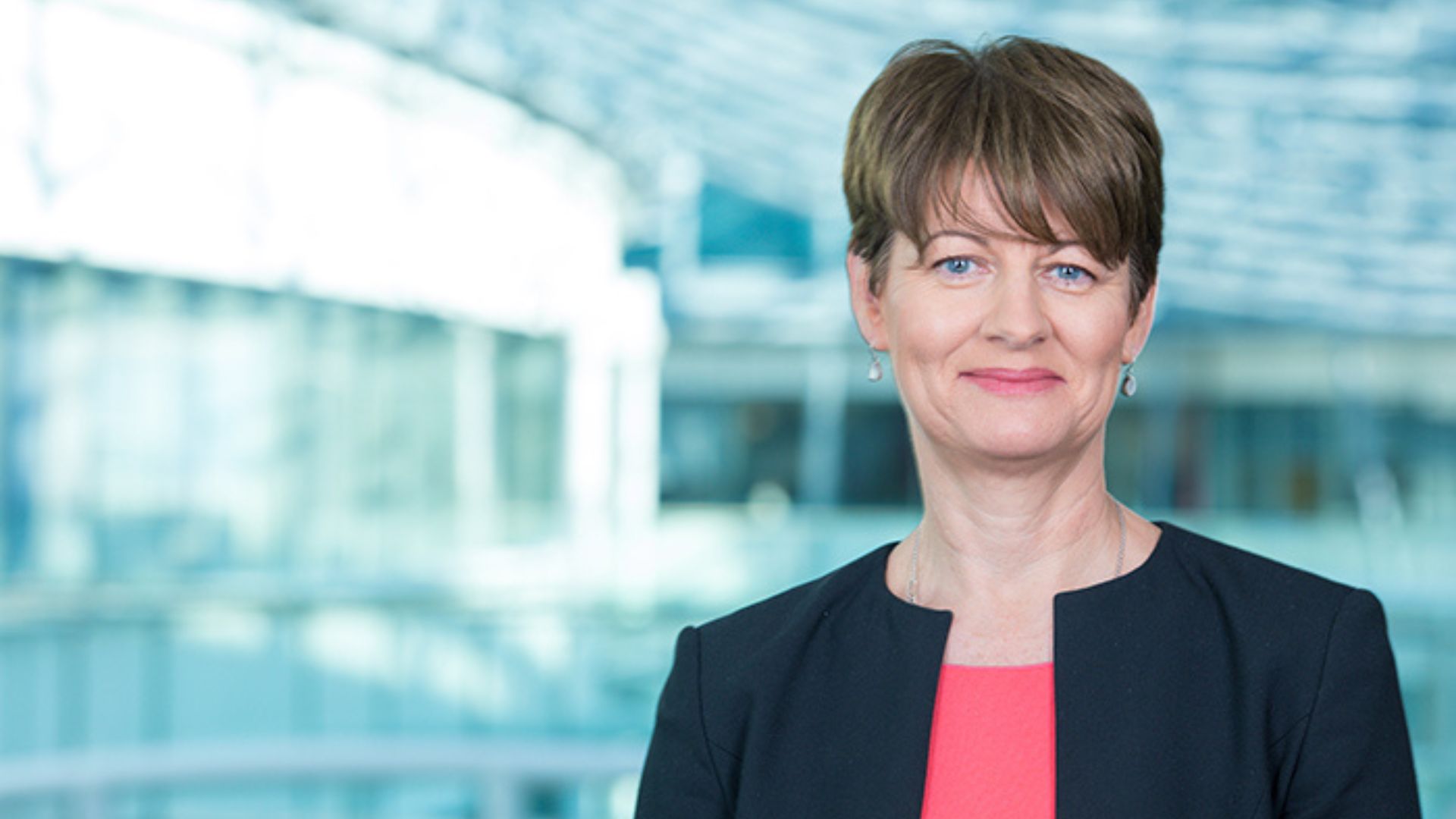
After studying English Literature and Economic History at the University of Liverpool, Deborah Waterhouse has gone on to become CEO of ViiV Healthcare and President of GSK Global Health. In this profile for the Professional Women's Network, she reflects on her career journey and the leadership lessons she has learned along the way.
You studied English Literature and Economic History at the University of Liverpool. Looking back, what are your strongest memories of your time at Liverpool?
My strongest memories of Liverpool are of being surrounded by people, ideas and perspectives that challenged me to think more broadly. Studying English Literature and Economic History gave me the ability to understand people’s stories and motivations, while also thinking critically about wider social and economic systems. That combination has been highly relevant to a career in the pharmaceutical industry, where success depends not only on scientific innovation, but on understanding patients, healthcare systems, access, policy and society.
University helped me build confidence, curiosity and independence, and it taught me that leadership is as much about listening, learning and connecting to the people around you as it is about making decisions.
When you were a student, did you have a clear idea of the career or industry you wanted to pursue or did your path evolve over time?
I did not have a perfectly formed plan when I was a student. I was ambitious and interested in how businesses worked, but my path evolved over time as I gained experience and learned more about what I enjoyed working on. The pharmaceutical industry appealed to me because it combines commercial challenge with a very clear human purpose: improving health and changing people’s lives.
Early career decisions were shaped by a desire to work with people, solve complex problems and be part of an industry where the work has real-world impact.
I also learned the importance of being open to opportunities that may not look obvious at first, because some of the most formative roles are the ones that stretch you in unexpected ways.
Your career has taken you from sales, marketing and strategy roles to becoming CEO of ViiV Healthcare and President of GSK Global Health. What have been the key moments or opportunities that helped accelerate your progression into senior leadership?
The key moments have often been those where I took on roles that broadened my perspective or pushed me outside my comfort zone. Moving across different roles and living and working in different countries helped me look at the world through different windows. The needs of patients and healthcare professionals, the realities of access and reimbursement, the importance of evidence, and the discipline required to operate in a highly regulated environment.
I have also benefited from leaders who trusted me with significant responsibility, and from moments where I learned to back myself, take calculated risks and focus on delivering outcomes through others.
Progression into senior leadership is rarely linear; it is built through performance, resilience, relationships and a willingness to keep learning.
Can you tell us about your current role and what excites you most about the work you do?
In my current role as CEO of ViiV Healthcare, I have the privilege of leading a company with a very clear purpose: to develop medicines to treat and prevent HIV. What excites me most is the opportunity to bring together science, commercial execution and deep engagement with communities to improve outcomes for people living with and affected by HIV.
Pharmaceuticals is an industry where innovation only matters if it reaches the people who need it, so I am motivated by the challenge of translating breakthrough science into meaningful access and impact. The work is complex and constantly evolving, but it is also deeply meaningful.
Throughout your career, what has been the most significant challenge you have faced as a leader and what did it teach you?
One of the most significant challenges is navigating uncertainty while keeping people focused on patients and long-term impact. The industry is shaped by scientific risk, regulatory complexity, pricing and access pressures, and rapidly changing healthcare environments. Leaders have to make decisions with incomplete information while remaining clear about the purpose of the work.
Those experiences have taught me that clarity, empathy and consistency matter enormously. People do not expect leaders to have every answer immediately, but they do need to understand the direction, the rationale for decisions and how their contribution helps improve outcomes for patients.
What leadership qualities do you believe are most important for creating environments where people can thrive and bring their authentic selves to work?
I believe the most important qualities are authenticity, empathy, courage and accountability. Leaders set the tone not only for performance, but for integrity, patient focus and responsible decision-making. It is important to create a culture where people feel respected, heard and trusted to contribute, because innovation depends on diverse perspectives and constructive challenge.
That requires active listening, openness to evidence, and a willingness to acknowledge when you do not have all the answers. It also means being clear about expectations and holding yourself and others to high standards. When people feel psychologically safe and connected to the purpose of improving health, they are more likely to bring their best ideas and their full selves to the organisation.
For women aspiring to leadership positions, what skills would you encourage them to develop early in their careers?
I would encourage aspiring female leaders to build skills in communication, resilience and influencing. Develop a network of mentors and buddies you trust to support and challenge you as you progress. I would encourage women to seek roles that give them breadth and visibility, and to ask for feedback early and often.
Do not wait until you feel completely ready before putting yourself forward. Growth often comes from stepping into opportunities that scare you.
Managing and leading teams becomes increasingly complex as careers progress. What advice would you give to people looking to build trust, motivate others and lead effectively through change?
Trust is built through consistency: doing what you say you will do, listening properly and being transparent about decisions.
In pharmaceuticals, trust is especially important because teams are working on issues that affect patients, healthcare professionals, partners, regulators and payers. To motivate others, leaders need to connect day-to-day work to a clear purpose and help people see how their contribution supports better health outcomes.
During change, communication becomes even more important. People need clarity on what is changing, why it matters and what is expected of them.
My advice is to stay close to your teams, create space for questions and be visible even when the answers are not simple. Effective leadership through change is about balancing direction with empathy.
Finally, for members of the Professional Women's Network at different stages of their careers, what guidance would you offer on continuing to grow professionally and building a fulfilling career over the long term?
My guidance would be to stay curious, keep investing in your development and be intentional about the career you want to build.
Remain open to unexpected opportunities and take on things that feel uncomfortable. Build strong networks, seek mentors and sponsors, and support others as you progress. There will be moments of uncertainty or self-doubt, but those should not define your ambitions. Keep learning and take on challenges that stretch you.
You can be a leader at every stage of a career, not only when you have a particular title.
Join the Professional Women's Network
Whether you're a student, alumna or member of staff, the Professional Women's Network offers opportunities to connect, learn and grow alongside women across industries and career stages.
From leadership development and digital confidence to networking and mentoring opportunities, the network is designed to help women thrive.
Register your interest today to receive updates on events, opportunities and ways to get involved.
Keywords: community.