Kelly Davies: Changing lives through sport
Posted on: 2 November 2026 by Kelly Davies in Where are they now?
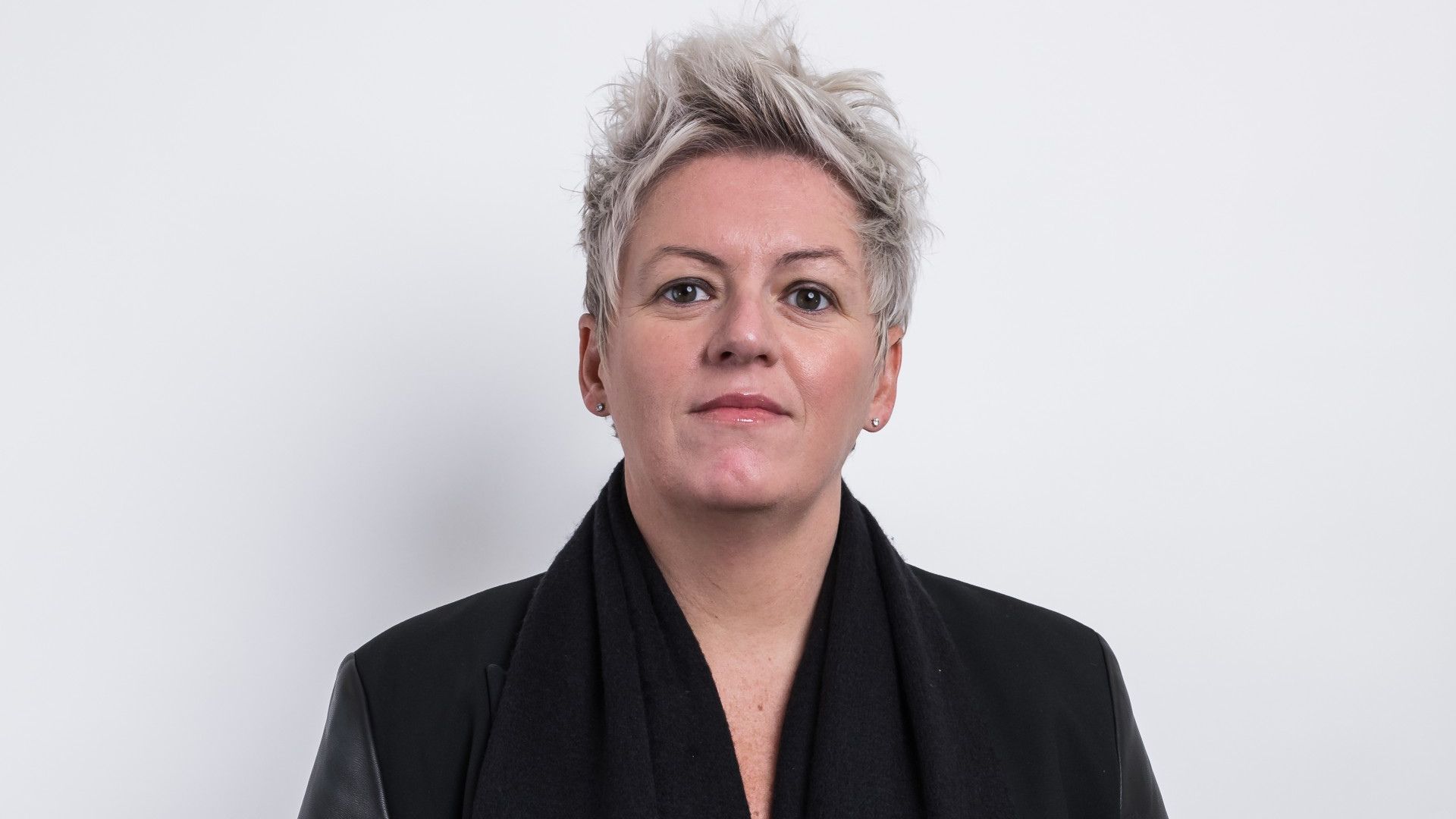
Alumni award winner and Football Industries MBA alumna, Kelly Davies, talks to us about her career in football and passion for creating lasting social change through sport and enterprise.
What has shaped your career journey from international professional footballer to where you are now?
Football has been the thread running through my career, but my understanding of what it can achieve has grown enormously. Playing for Wales and professionally gave me first-hand experience of teamwork, resilience and belonging. It also helped me recognise that opportunities to participate, develop and lead are not equally available to everyone.
My Football Industries MBA at Liverpool helped me look beyond the pitch and understand the organisations, decisions and systems shaping the game. Founding Vi-Ability, co-founding The Good Wash Company and working with Ashoka have allowed me to explore how enterprise and sport can create lasting social change, all around the world! Throughout that journey, I have been driven by a question: how do we give more people the opportunity to recognise their potential and use it to contribute to the good of all?
Can you tell us about your current role as Co-Founder of Ashoka’s Global Sport for Changemaking Team, and when your passion for social enterprise started?
I co-lead Ashoka’s global Sport for Changemaking work alongside my wider UK Country Director and global leadership responsibilities. We work with social entrepreneurs, young people and partners to explore how sport can intentionally develop empathy, agency, teamwork and the confidence to make positive change happen - at all levels from grassroots to boardrooms.
Sport reaches so many people, but those outcomes do not happen automatically. We need to think carefully about how it is designed, who makes decisions and whether young people are treated as contributors with ideas of their own.
My passion for social enterprise grew from seeing the gap between people’s potential and the opportunities available to them. Vi-Ability was an early expression of that: connecting football, learning and enterprise to help people build skills and possibilities for their futures. I became increasingly interested in how we could change the conditions creating those barriers in the first place.
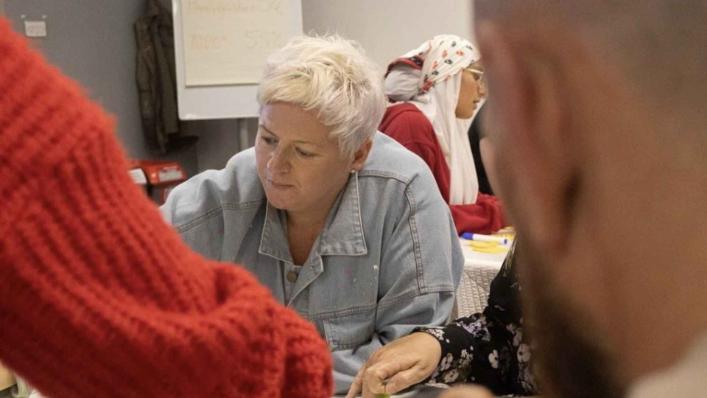
Congratulations on your recent University of Liverpool Alumni Award. What did that mean to you?
It meant a huge amount. To be one of 17 people recognised from a community of around 300,000 alumni felt very special, particularly by a university that played such an important role in my development.
It also gave me a moment to pause and reflect. When you are focused on the work ahead, you do not always take time to appreciate the journey or the people who have helped shape it. I saw the award as recognition of a shared effort, involving teammates, colleagues, communities and partners over many years.
I was particularly pleased that work connecting sport and social change was being recognised. I hope that helps students see the breadth of what a career in the football industry can involve.
What is one lesson from your Football Industries MBA experience that continues to influence your approach to leadership and decision-making today?
To look beyond the immediate issue and understand the wider system around it. In football, it is easy to focus on the result in front of you. The MBA encouraged me to consider the interests, incentives, resources and organisational decisions influencing that result.
That continues to shape my leadership. Before deciding what to do, I try to ask: whose perspective is missing, what is driving this situation, and will our response address the underlying problem? It is particularly useful when resources are limited and we have to make difficult choices about where we can make the greatest difference.
As you reflect on your career to date, what achievement are you most proud of?
Founding Vi-Ability remains something I am particularly proud of. It was a significant step from recognising an issue to taking responsibility for trying to address it, bringing together my experience in football and my belief in enterprise as a force for social change.
I am also very proud of my time as Chair of the Cymru Football Foundation, helping oversee significant investment in football facilities across Wales. Quality, accessible facilities can make an enormous difference to communities, particularly in areas that have historically lacked investment. Helping create spaces where more people can play, connect and feel they belong has been a particularly meaningful part of my career.
More broadly, the moments that stay with me are when someone begins to see themselves differently: recognising that they have something valuable to offer and the ability to act on it. Helping create the conditions for that, through Vi-Ability, Ashoka or sport, is deeply rewarding. Representing Wales will always be a huge source of pride too. It gave me a platform and experiences that continue to inform everything I do.
What advice would you give to current FIMBA students and recent graduates as they look to progress their careers?
- Be curious about the whole industry and the contribution you want to make within it. There are many ways to build a meaningful career in football, including roles and opportunities you may not yet have considered.
- Build relationships with people whose experiences differ from your own. Listen carefully, follow through on commitments and be someone others can trust. Those habits matter throughout your career.
- I would also encourage you to put your learning into practice. You do not need to wait for a senior title to show leadership. Notice something that could work better, bring people together and take a thoughtful first step. Your career may take an unexpected route, and that can become one of its greatest strengths.
Keywords: Where are they now?.