From Liverpool to the gaming industry: Ben Ogden’s journey across finance, leadership and the Army Reserve
Posted on: 30 September 2026 by Ben Ogden in Where are they now?
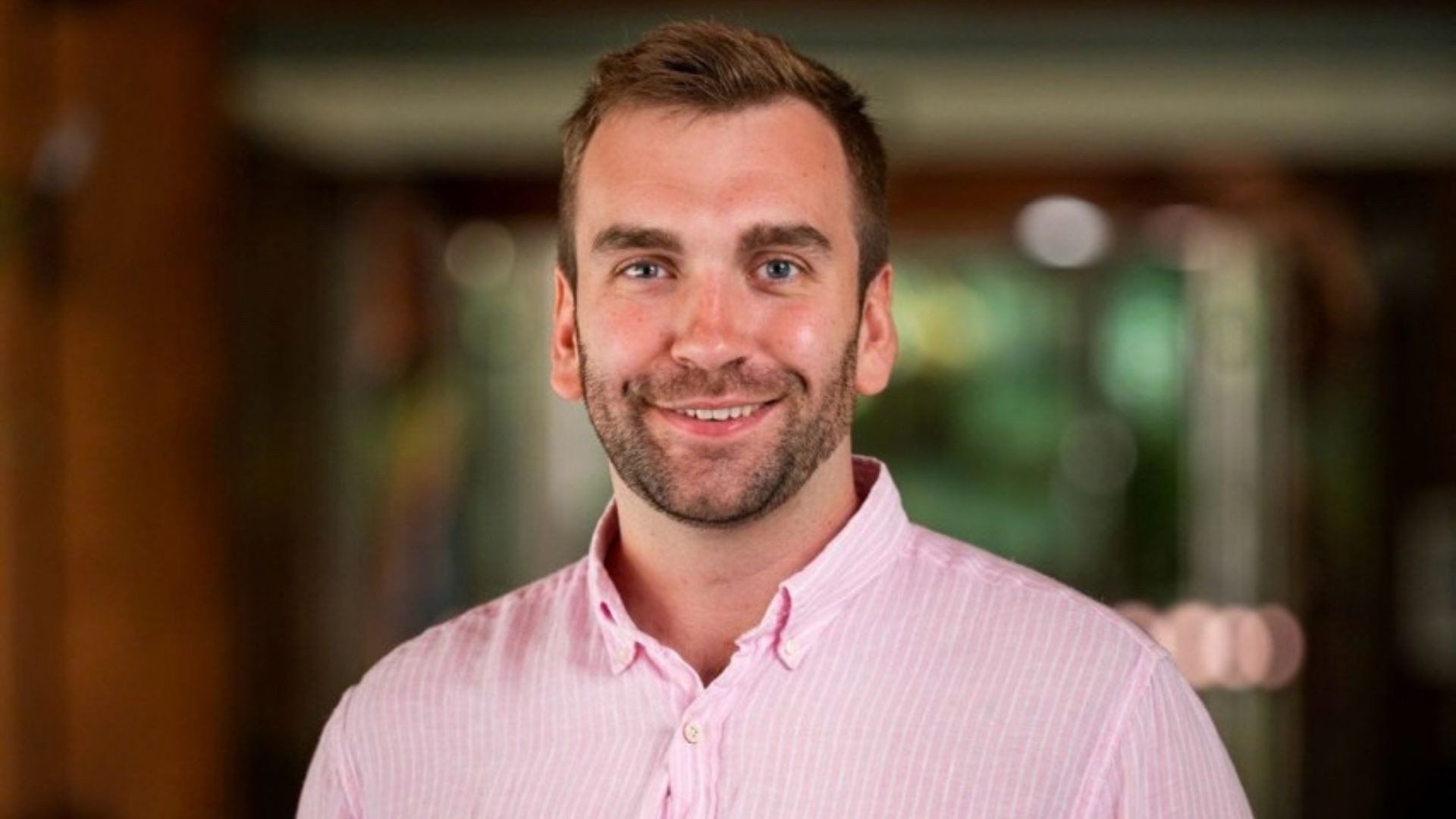
From studying History and Accounting & Finance at Liverpool to working at PwC, completing an MBA, becoming an Army Reserve Officer and now working in finance at Electronic Arts, Ben Ogden’s career has taken him across a range of sectors and experiences. In this alumni feature, Ben reflects on embracing new opportunities, developing a dual career and why your first job doesn’t have to define your career for life.
You studied History with Accounting and Finance at the University of Liverpool. What attracted you to that degree combination and what are your strongest memories of your time at Liverpool?
I loved History at school and originally applied to study straight History. In first year there was an opportunity to take 25% of my modules in another subject, and as my Dad was an accountant, I thought I would try something completely different. I ended up sticking with it, and it went on to help me land a job at PwC. I think University is all about trying new things, and I really value that Liverpool offered this option, as it ultimately led me to where I am today.
I grew up on a farm in Northumberland, so Liverpool was my first experience of city living, and I loved it. The people are what really stand out, but I also have great memories of the waterfront and the nightlife and music scene. I played Lacrosse too, and some of my best memories are from the home and away trips with the team.
After graduating in 2018, you joined PwC's Audit Graduate Programme. What was it like making the transition from university to one of the world's largest professional services firms?
PwC offers a great transition from University. Everyone is a similar age and starts at the same time, and you go straight back into the classroom for a bit before slowly taking on more client work. It’s a great environment for learning new skills, with a peer group who are all in the same boat. The responsibility you get from day one is also significant, and it really sets strong foundations for a professional career.
Alongside building your finance career, you joined the Army Reserve and later became an Army Reserve Officer after training at Sandhurst. What inspired you to take on that challenge?
I was in the Cadets at school and had originally planned to join the Army full-time. There is a family connection to the Army, so it was always something I was drawn to, and I wanted the challenge of leading people and giving something back. Sandhurst was a big part of that, as I wanted to prove to myself that I could get through it. The Reserves appealed to me because I could still achieve my goal of commissioning as an Officer, whilst having the flexibility to keep developing my professional career.

You often speak about the value of a dual career. How has your military experience influenced the way you approach leadership, teamwork and problem-solving in your career?
Everyone takes something different from it, depending on where they are in their career. For me, the key takeaways have been resilience, adaptability and communication. I have the confidence to walk into a room and present to senior leaders, I can get through the long, hard days and still get the job done, and I don’t get flustered by new or unexpected challenges at work. There isn’t one answer, but I’m a strong believer that military training helps develop really solid all-rounders in most fields.
After PwC, you chose to undertake an MBA and later moved into consultancy. What motivated you to make that career transition?
Audit is an excellent starting point for a career, but after qualifying as an ACA I was looking for a new challenge. Studying for the ACA whilst working full-time had been quite intense, and I wanted the space that full-time education gives you to really absorb business concepts in more depth. As I was living in Manchester at the time, I applied for the Manchester Young Professional scholarship and was selected, which was a big factor in my decision to make the change. Consulting felt like the natural next step after the MBA.
Today you are a Senior Finance Analyst at Electronic Arts, partnering with EA Originals & Partners. How did the opportunity to move into the gaming industry come about?
After my MBA I moved to London with my partner and worked briefly in consulting. I wasn’t actively looking to move, but when I saw the role at EA advertised, as a fan of gaming, I felt I couldn’t ignore it!
Many people don't immediately associate finance careers with the gaming sector. What does a typical day look like for someone working in FP&A at EA?
That’s probably because finance in the gaming industry is a relatively small circle. My role is quite unique, as I support a team that focuses on partnering with, and investing in, early-stage studios to bring new IP to EA. We work in a very similar way to a book publisher. Imagine Penguin investing in a brand-new, unknown author who could be the next big bestseller, and that’s essentially what we do in games! As a result, my day to day varies a lot, but a typical week usually involves a bit of everything. I might be building a P&L for a new game we’re looking to sign, managing the budget and spend for the Titles we have in development, or tracking the performance of Titles we’ve launched and reporting that back to my team and EA senior management. A lot of my week is also spent on calls and meetings with the studios themselves and our internal teams.
Recently, you celebrated being credited on Star Wars: Zero Company. How did it feel seeing your name associated with such an iconic global franchise?
I didn’t know I would feature in the credits, so it was a really nice touch to be recognised. That’s one thing I love about being at EA, I get to have an impact on these huge franchises. It’s definitely an exciting place to work!

What advice would you give to current students who may be unsure about their future career direction?
Be open to all sorts of careers, try things that are new or that interest you, and use University to give things a go! I went to lots of different open days and careers events whilst at Uni. Don’t be afraid to send people cold messages on LinkedIn either. Chat to people about what they do and learn as much as you can. And as I’ve shown, your first role doesn’t have to be your career for life!
Your career has taken you through several different sectors and experiences. What would you say to graduates who are considering a career change or thinking about pursuing something completely different from their original plan?
Going back to my military experience, there’s a famous line from von Moltke that ‘no plan survives first contact with the enemy.’ Plans change, or the circumstances around you change, and the smarter move is to anticipate, react and adapt. Your first priority should always be finding enjoyment in your career. If that means moving into a new industry, or using a role as a stepping stone into something else, then that matters much more than just sticking with your first job.
Thank you to Ben for sharing his inspiring career story and reflecting on the experiences that helped shape his journey. If you’re a University of Liverpool graduate with a story, career journey or experience you would like to share with our community, we would love to hear from you.
Keywords: Where are they now?.