How a PhD shaped Diana Madibekova’s vision for peace
Posted on: 26 January 2026 by Diana Madibekova in Where are they now?
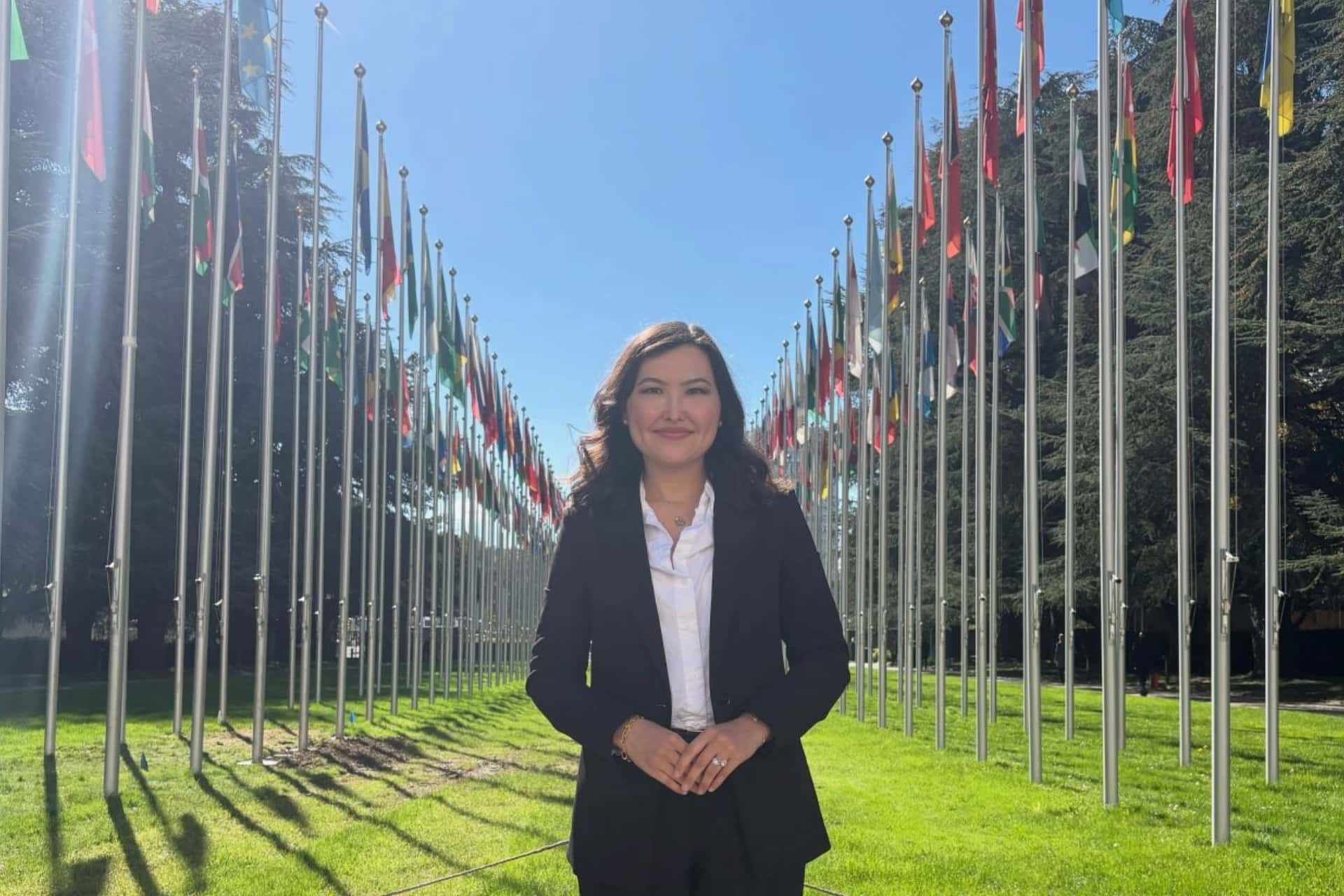
In this blog, Diana Madibekova talks about her PhD journey at the University of Liverpool, how studying during a global pandemic shaped her approach to ethical leadership and how her research on business and positive peace inspires her work fostering global cooperation and impact.
What initially drew you to pursue your PhD in International Management at the University of Liverpool and how did your time studying shape your approach to global challenges?
As a child, I have always dreamt to study in the UK. That dream first came true in 2010, when I attended a summer school at Haileybury College. Fast-forward many years, I decided to leave my mid-senior corporate role at a U.S. multinational in Warsaw, Poland in early January 2020 to pursue a PhD (and complete one before turning 30) and Liverpool welcomed me in September 2020. It was a year filled with many challenges, both on a personal (relocation, career change) and global level (pandemic, border closures). Yet challenges often come with opportunities. It is important to embrace them.
Your doctoral research explored how big businesses contribute to positive peace. What inspired you to investigate this intersection of management, international law and peacebuilding?
My passion is for building peace, even in the smallest way. I grew up meeting various people from all possible backgrounds. During my undergraduate studies, I also met some of the world’s notable figures such as the German President Frank Walter-Steinmeier, Former Director-General of the World Trade Organization Roberto Azevedo, etc. Throughout the years, I saw firsthand how big organisations, including businesses, impact people’s lives in the most ordinary and extraordinary ways and wanted to improve my scholarly knowledge about it. In order to do something right, we should understand it better.
During your PhD, you conducted interviews with C-suite executives in Türkiye. What were the most surprising or impactful insights you gained from those conversations?
The most surprising insight is that peace is not just an interest of politicians and elected officials. Peace is everybody’s business. Especially corporate leaders nowadays think about it more often and wish to contribute to it.
You have studied and worked across Kazakhstan, South Korea, Poland, the UK and beyond. How did this international journey influence your research, leadership style and worldview?
My global experiences have helped me master the skill to lead teams and manage projects effectively.
Looking back, what were the most defining moments or challenges during your PhD journey?
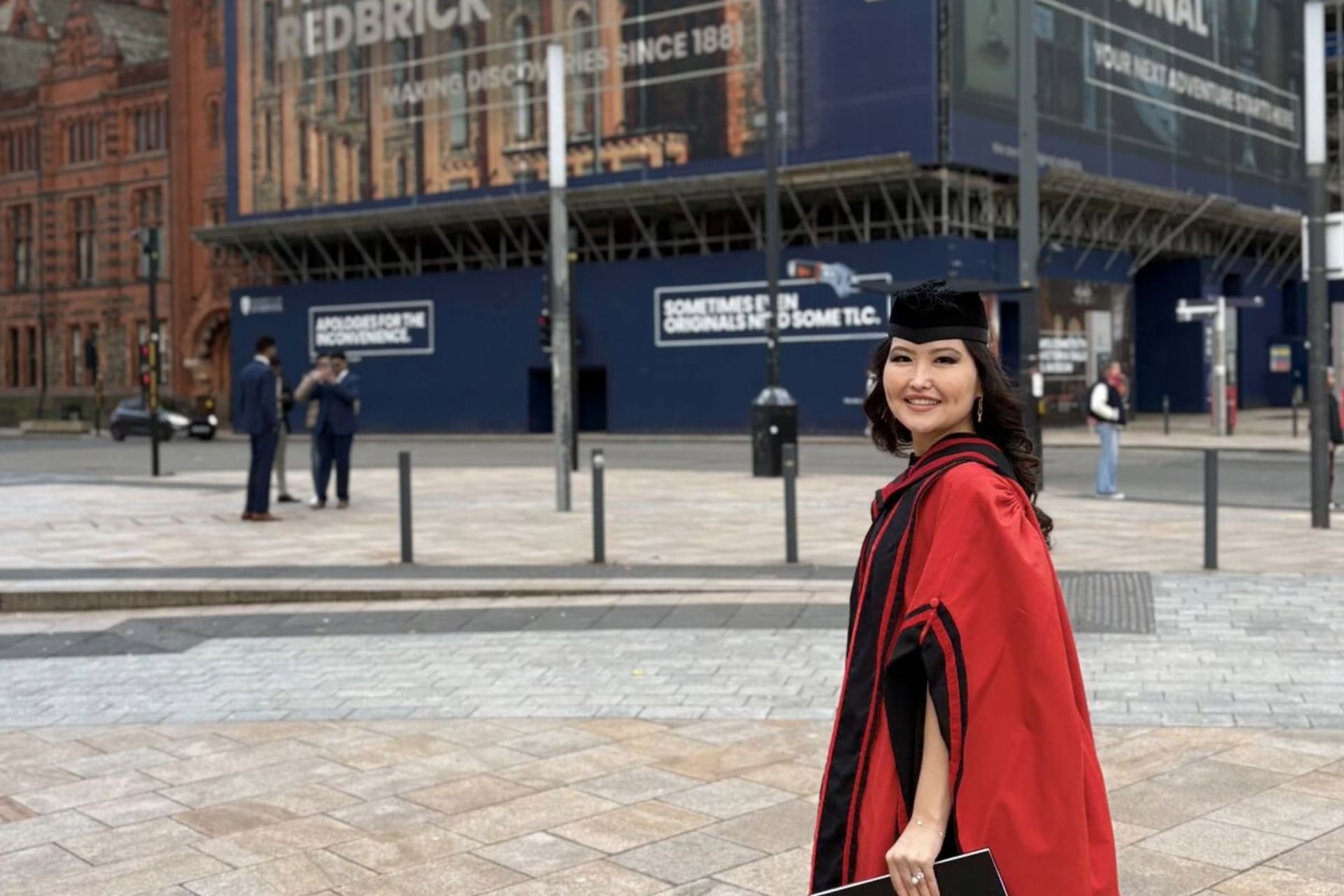
The most defining moment of my PhD was the graduation. It was a moment for celebrating my accomplished goal (completing a PhD before 30) and seeing the fruit of all the hard work.
You’ve recently founded Peace Recipes. Can you share what motivated you to create this initiative and what you hope it will achieve for policy leaders, CEOs and wider society?
The initiative is in its early stages. All I can reveal now is that its mission is to inspire individuals and institutions to build peace.
.jpg)
Your achievements - such as being named one of the 100 Women of the Future (2023) and a Top 50 Kind Leader (2025) - reflect a strong commitment to kindness and cross-cultural dialogue. How do you embed kindness and global cooperation in your professional work?
It’s all about people and being able to see the world through their eyes since you can’t always walk in their shoes. From my many years of academic and industry experience, I have observed that effective leaders understand human emotions and different dynamics that impact an organisation.
What is your aspiration for the next five to ten years?
To contribute to a meaningful global change.
What advice would you give to current students or graduates who are considering pursuing a PhD or aiming to build a career with global impact?
The world is changing at a rapid rate. It is therefore crucial to surround yourself with people who will support and help you grow. I showcase its importance in my written piece titled “Next Luxury Good: Human Connection”.
A huge thank you to Diana for sharing her career journey with us. Feeling inspired to share your own story or get involved? There are plenty of ways to stay connected:
- Connect with the University: Follow the Alumni LinkedIn page
- Volunteer with the University: Discover our volunteering opportunities
- Future alumni events: Attend future events organised by the alumni team.
Keywords: Where are they now?.